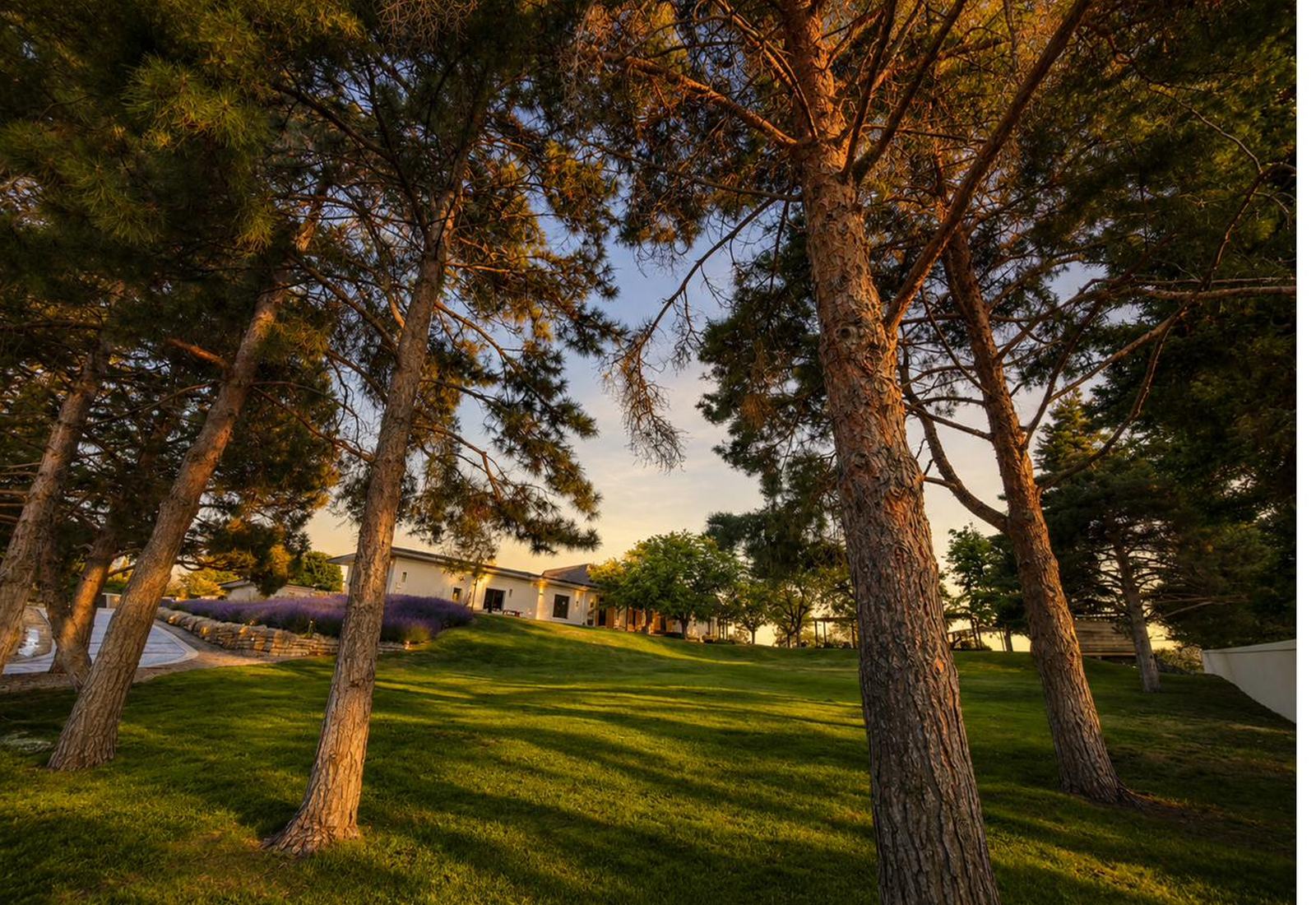
2199 E. Table Rock Road · Boise, Idaho · For the senior housing operator
Exclusive Memory Care Campus.
An exclusive memory care campus opportunity — a licensed residential care conversion for sale in Boise’s East End.
An exclusive memory care campus opportunity — a licensed residential care conversion for sale in Boise’s East End.
National senior housing occupancy reached 89.9 percent in mid-2026 — the twentieth consecutive quarterly increase — while units under construction fell to their lowest level since 2012. The oldest baby boomers turn 80 this year, the cohort most associated with memory care entry.
Idaho compounds the squeeze: a 65-plus population projected to grow roughly 31 percent by 2031 against a construction drought, in a Treasure Valley market fragmented among small operators — with no true luxury memory care tier. Ada County’s highest rates cluster near $8,300 per month, barely above the national median of $8,252.
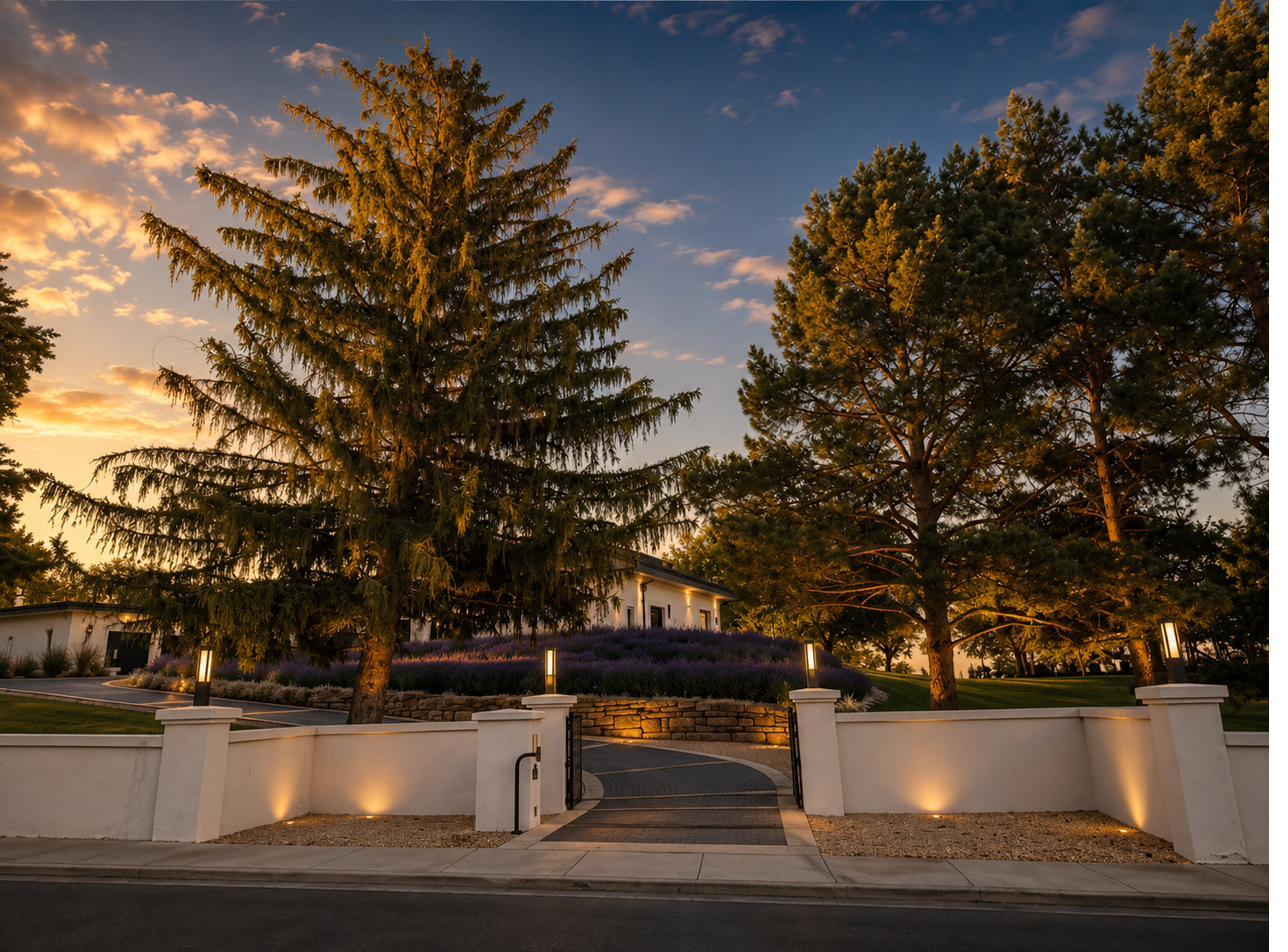
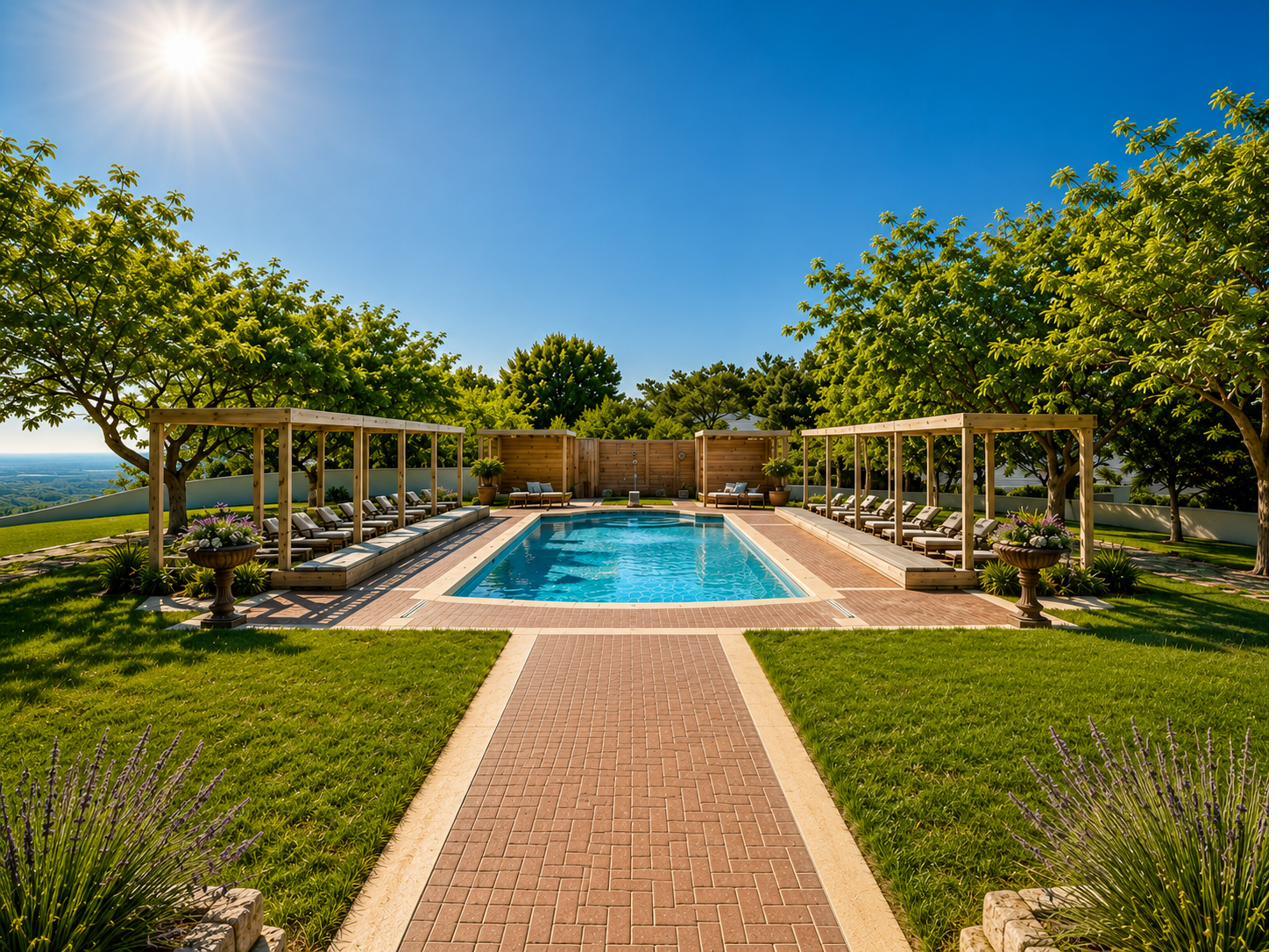
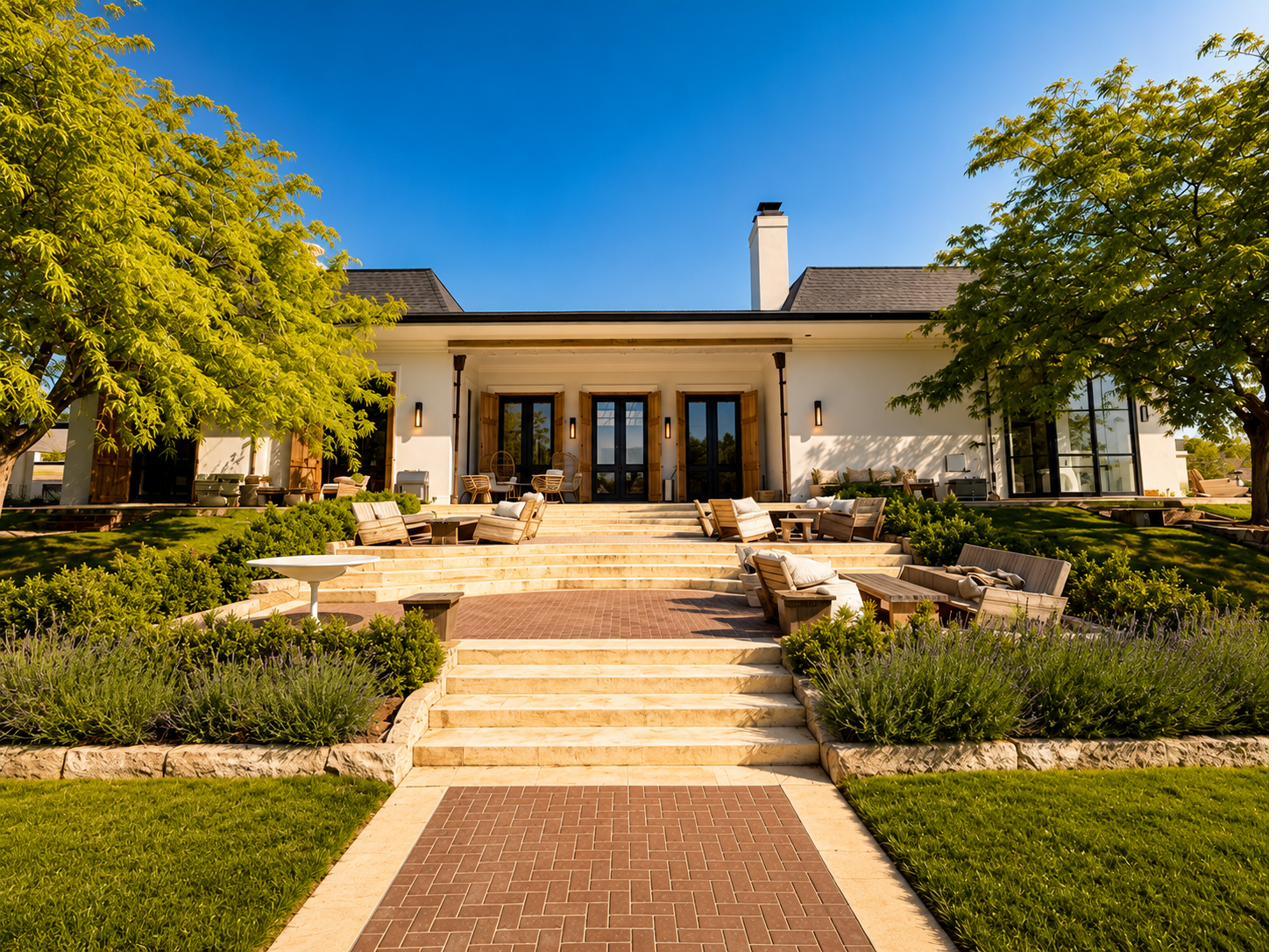
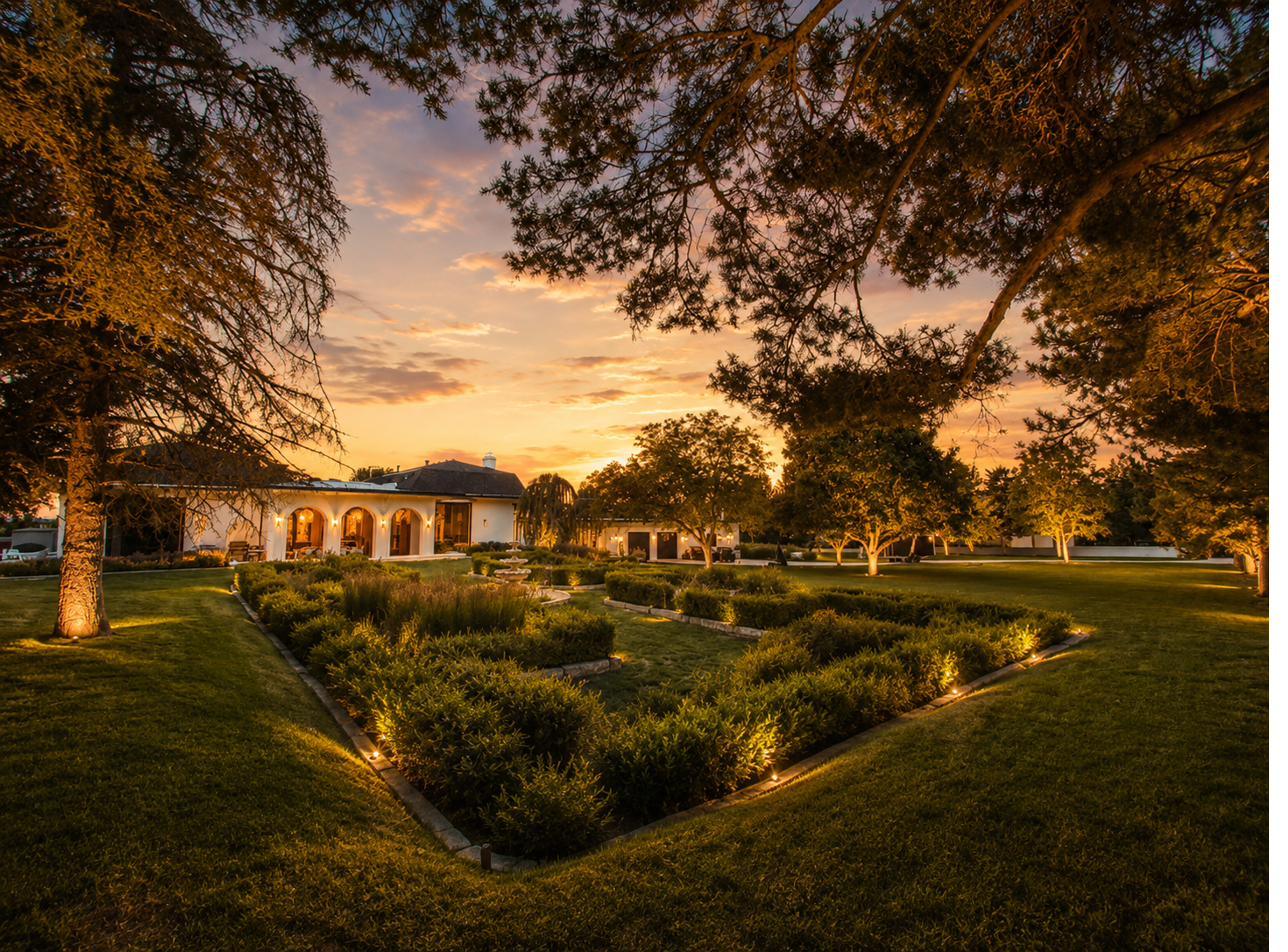
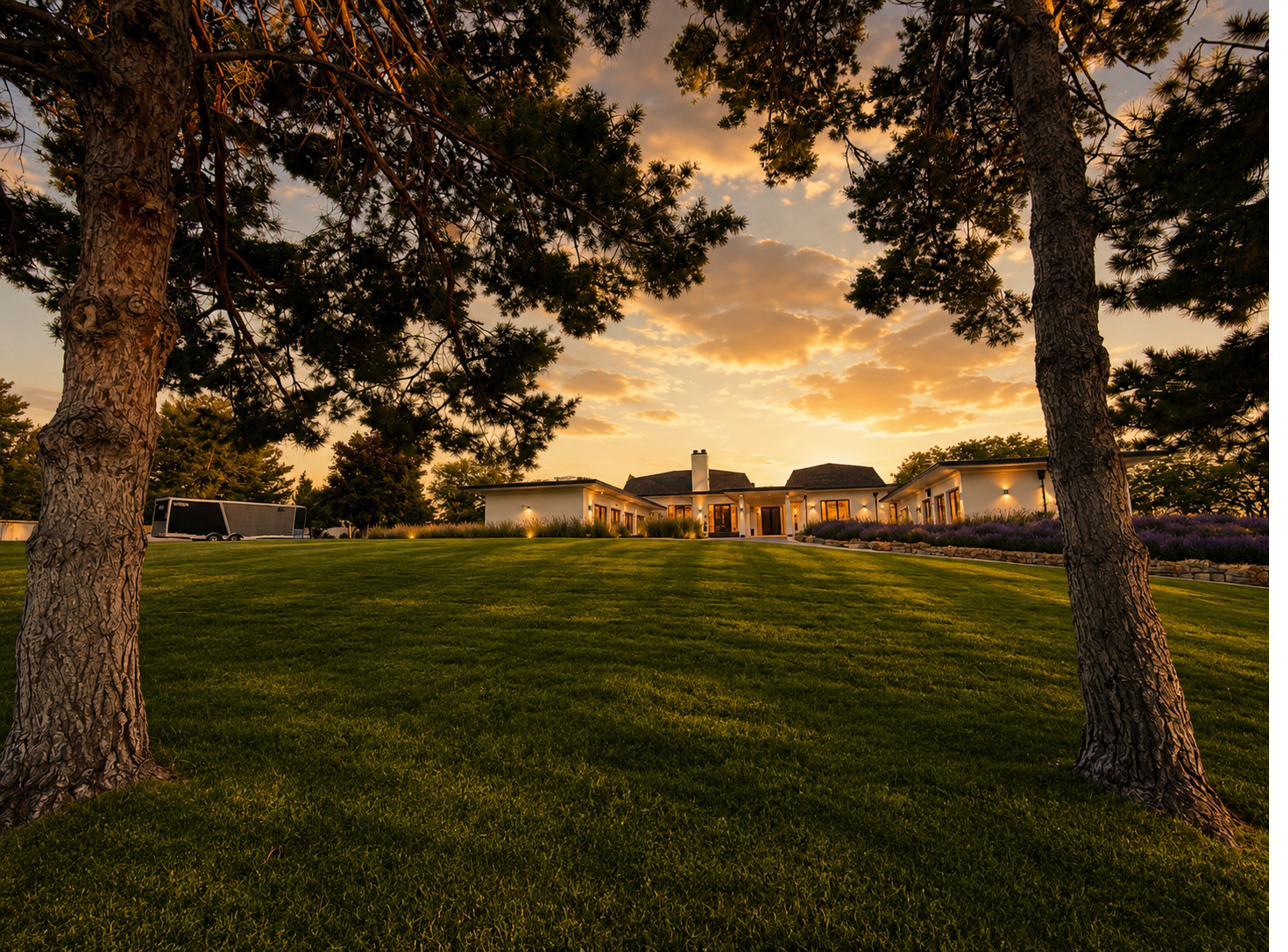
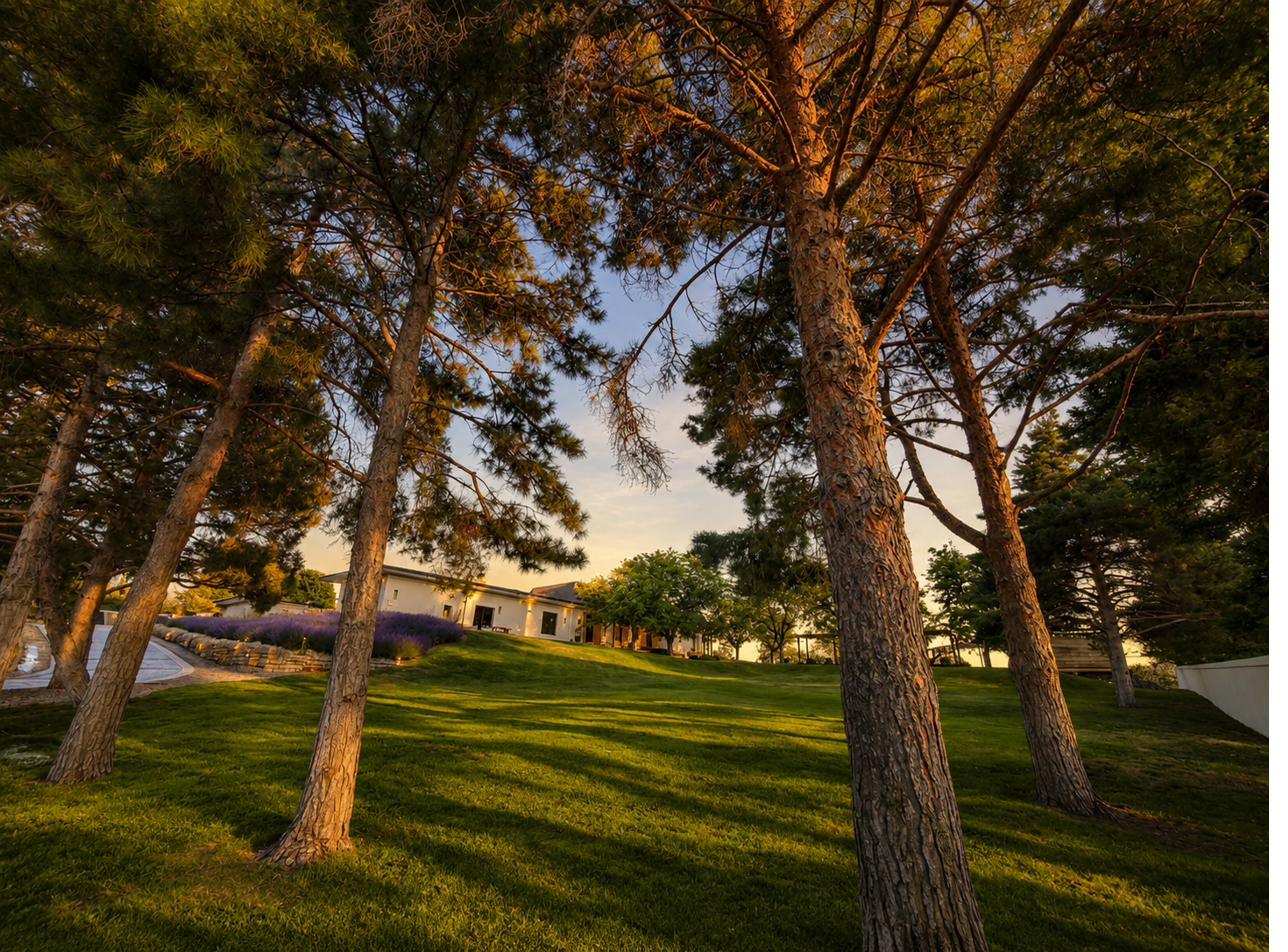
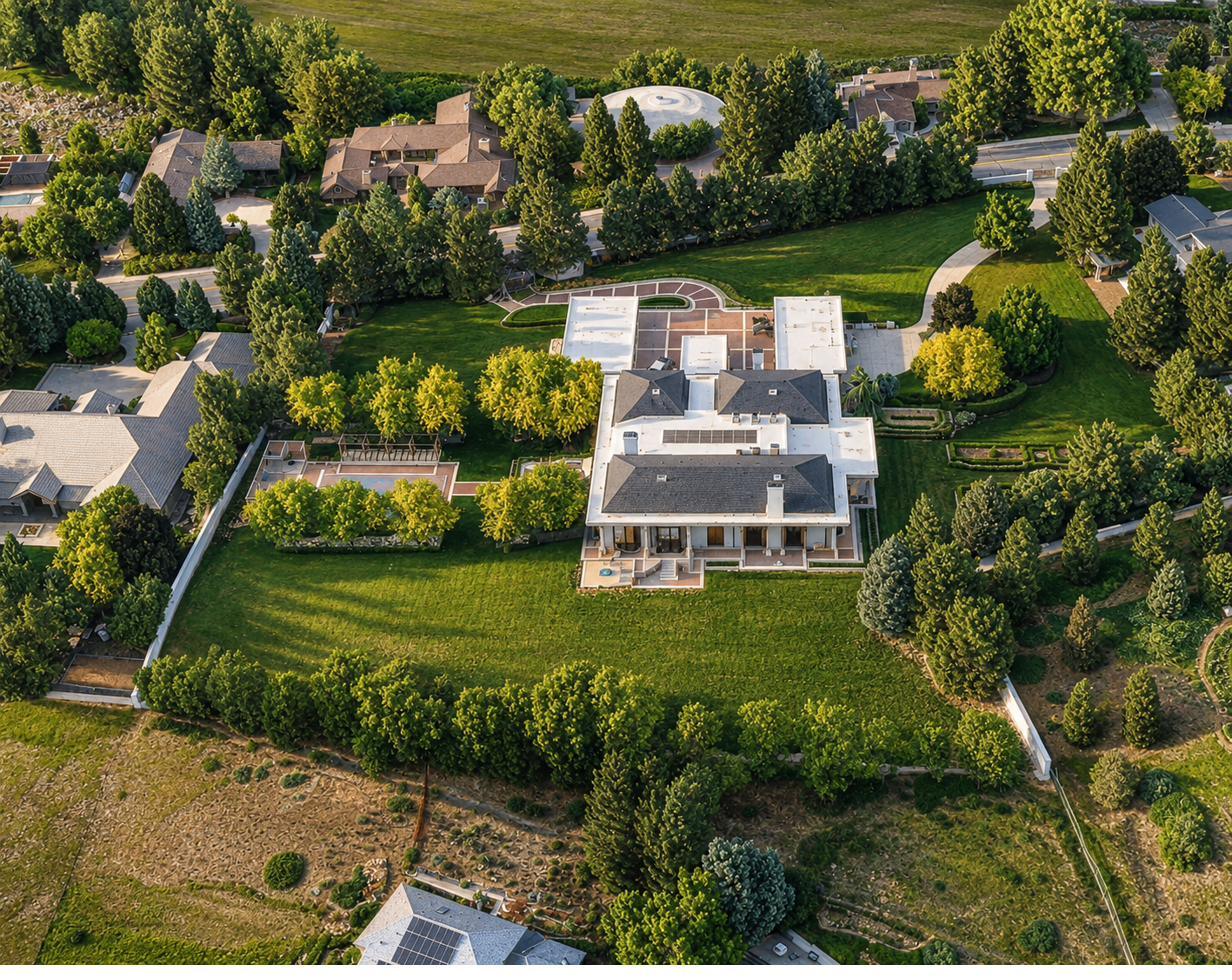
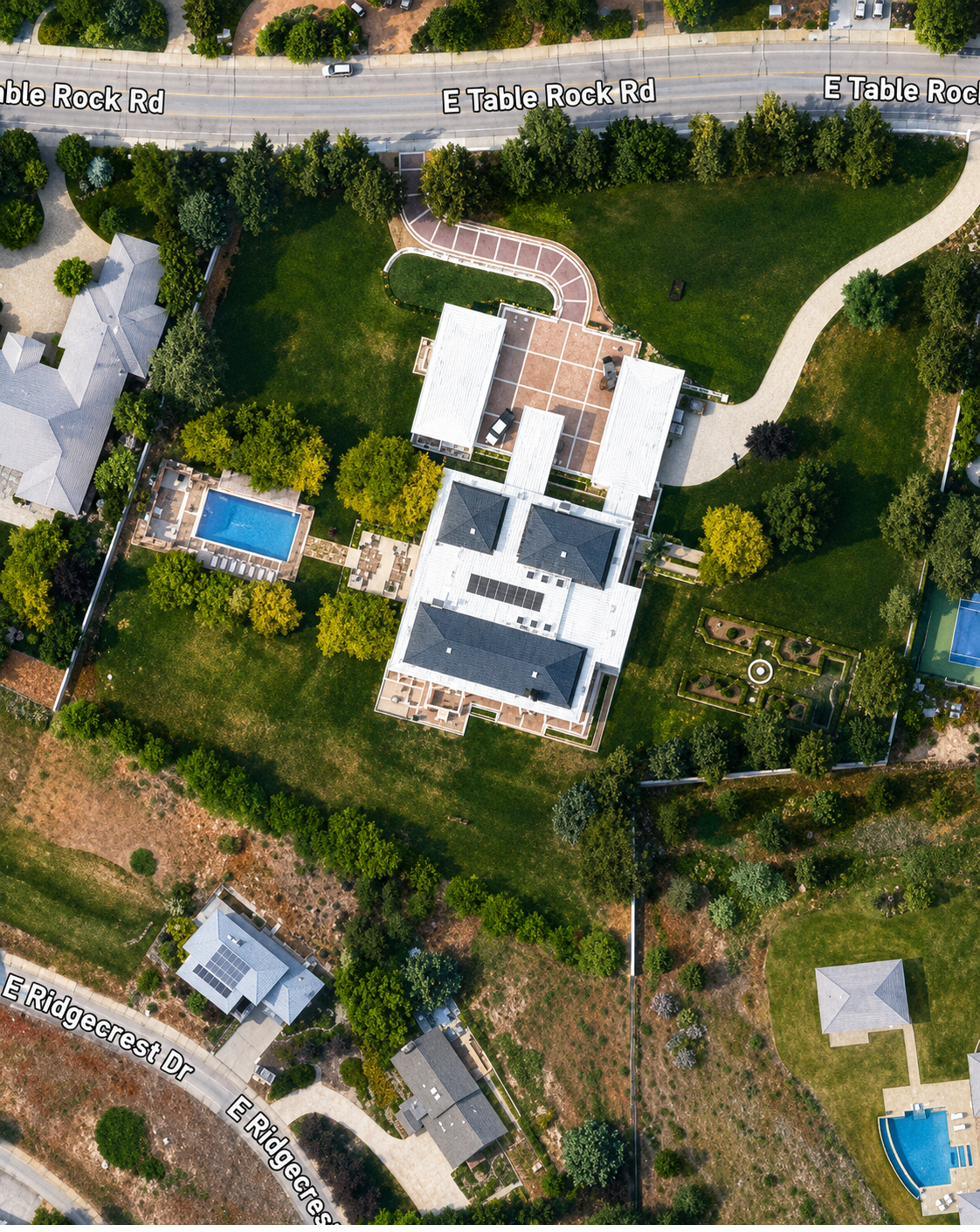
The asset is memory-care-native: a single-level 8,959± SF residence — no stairs, wide circulation, a skylit commons — inside a fully walled perimeter with gardens made for secure wandering paths.
NIC MAP projects the U.S. faces a 550,000-unit senior housing shortfall by 2030 — a $275 billion investment gap requiring the industry to more than triple its development pace. Capital is responding by buying, not building: transaction pricing has passed prior cycle peaks, with price per unit up 43 percent year over year, and investors favoring acquisition of existing properties over new construction.
PwC and ULI now rank senior housing second among 27 property sectors for both investment and development prospects. Locally, regional wealth in-migration deepens the private-pay base each year. Disclosed with equal candor: premium-rate scenarios of $12,000–$18,000 per resident per month are category-creation assumptions requiring a purchaser rate study, and semiconductor wage growth competes for care labor.
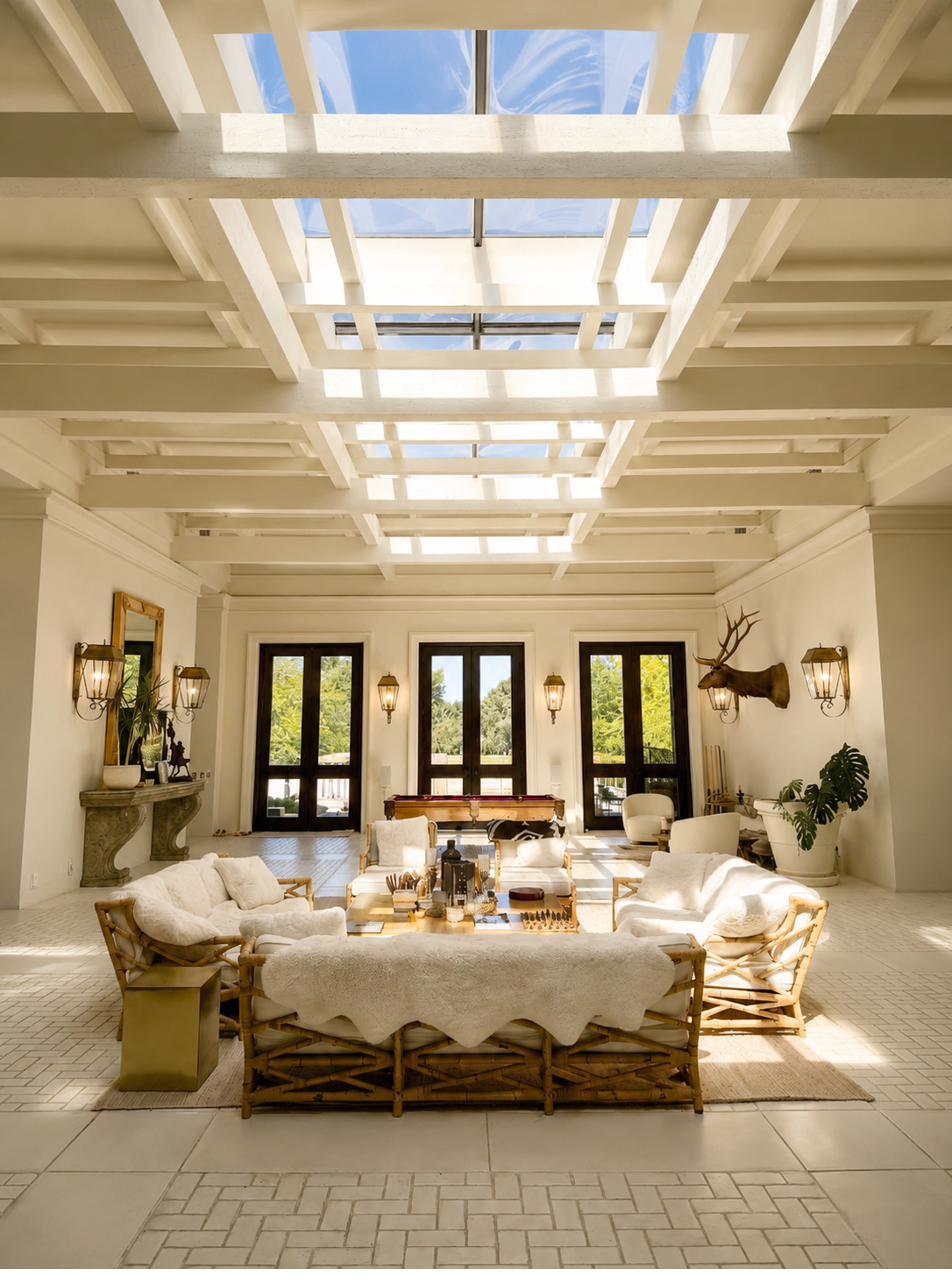
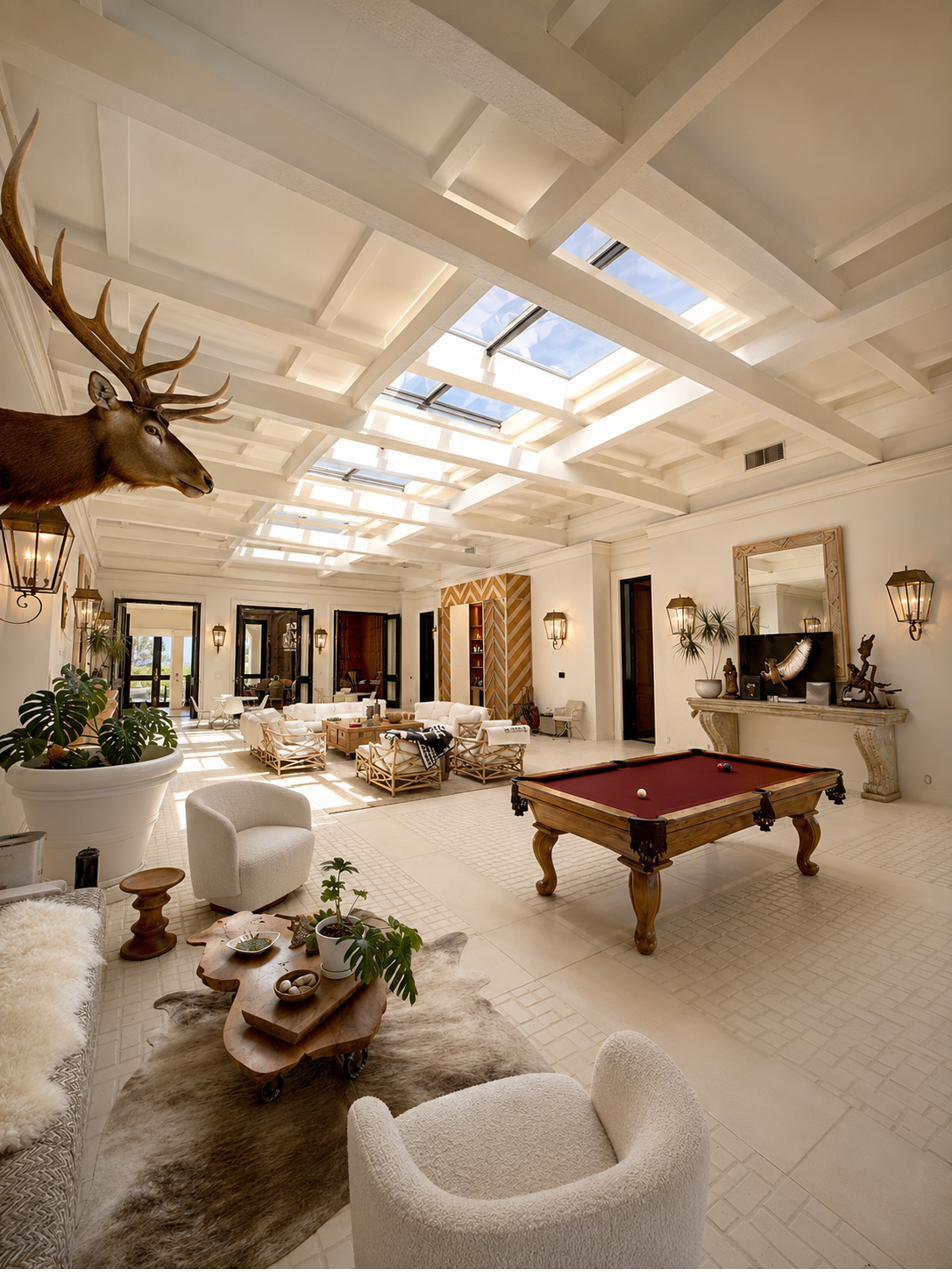
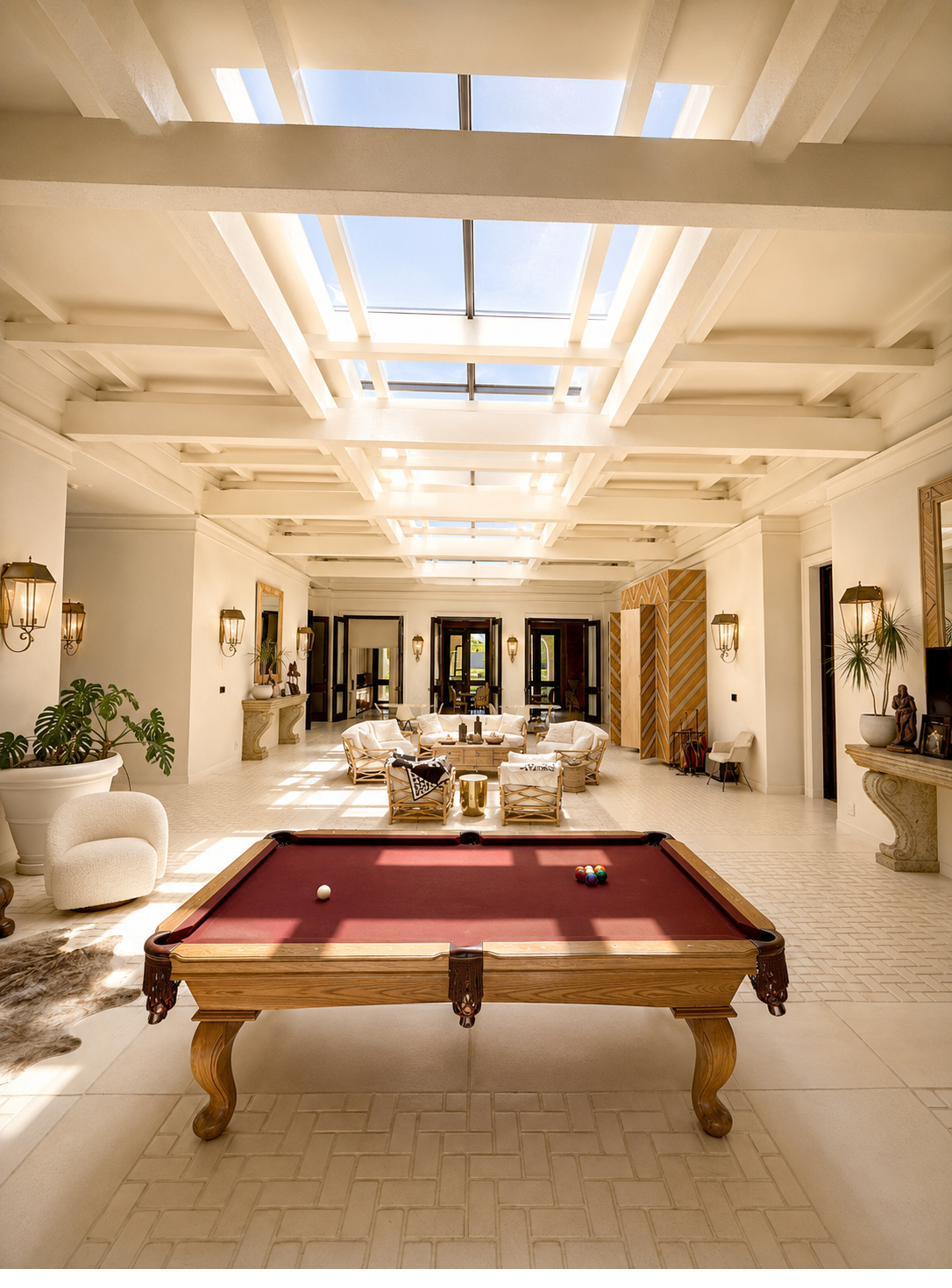
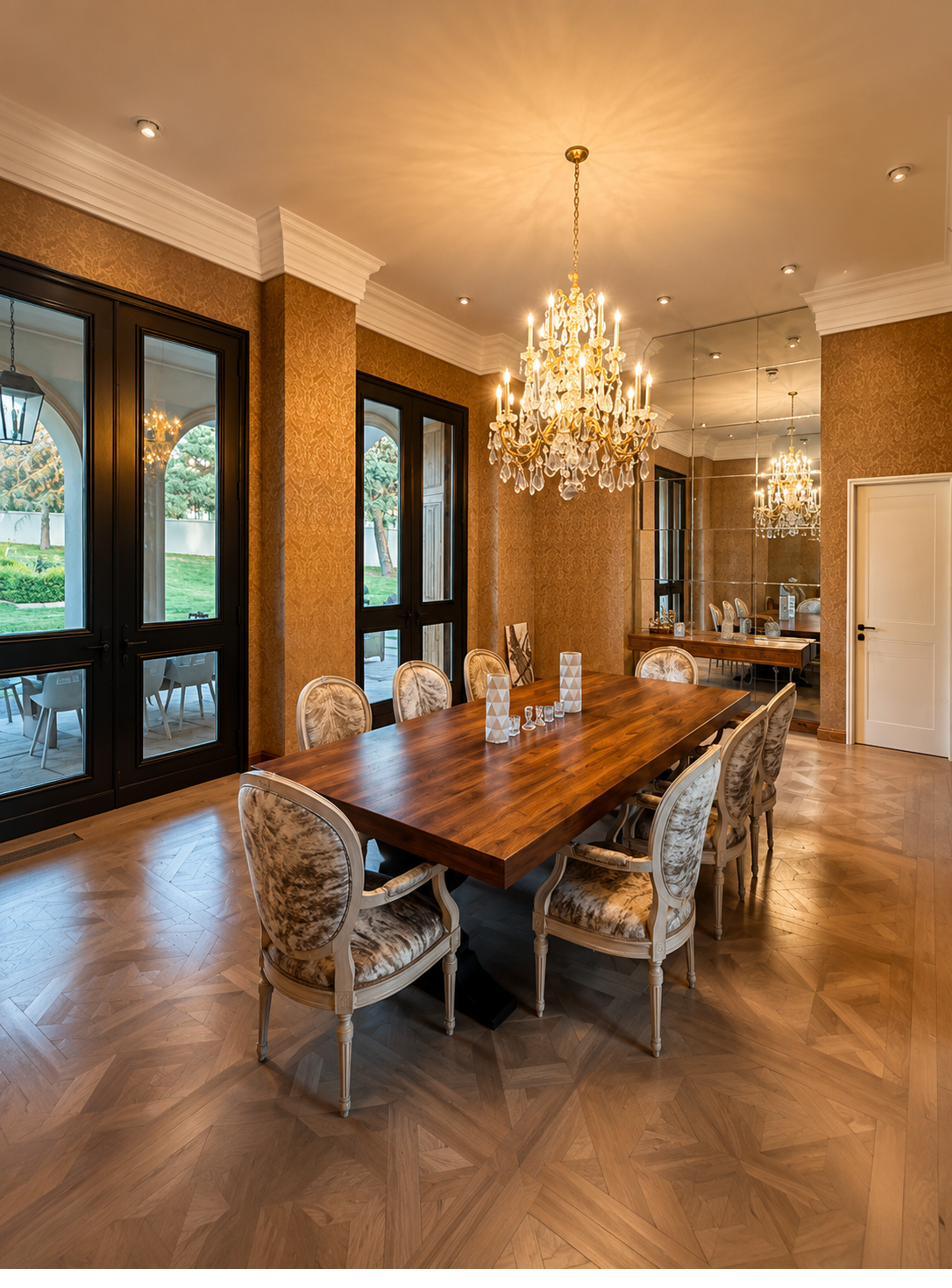
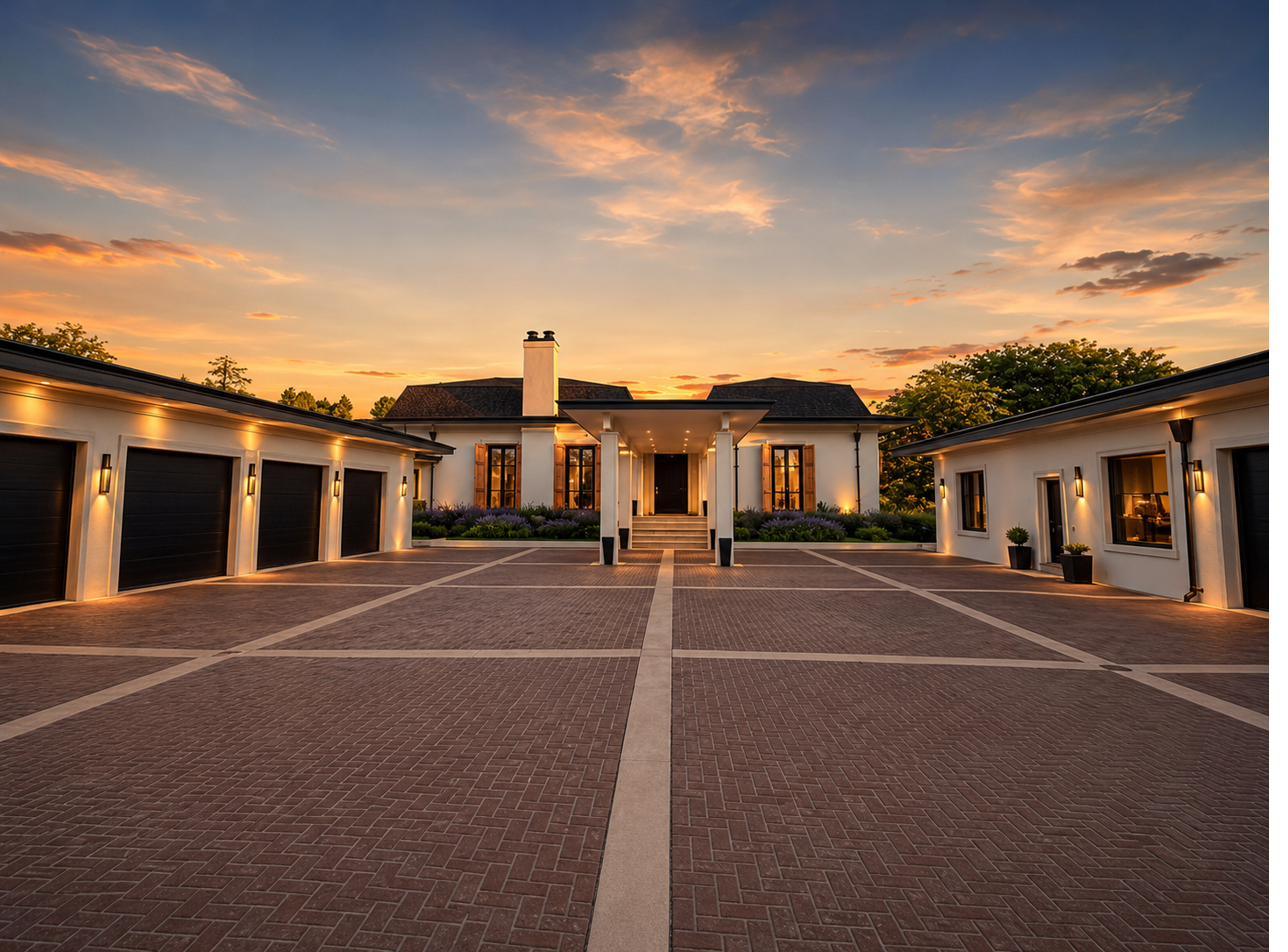
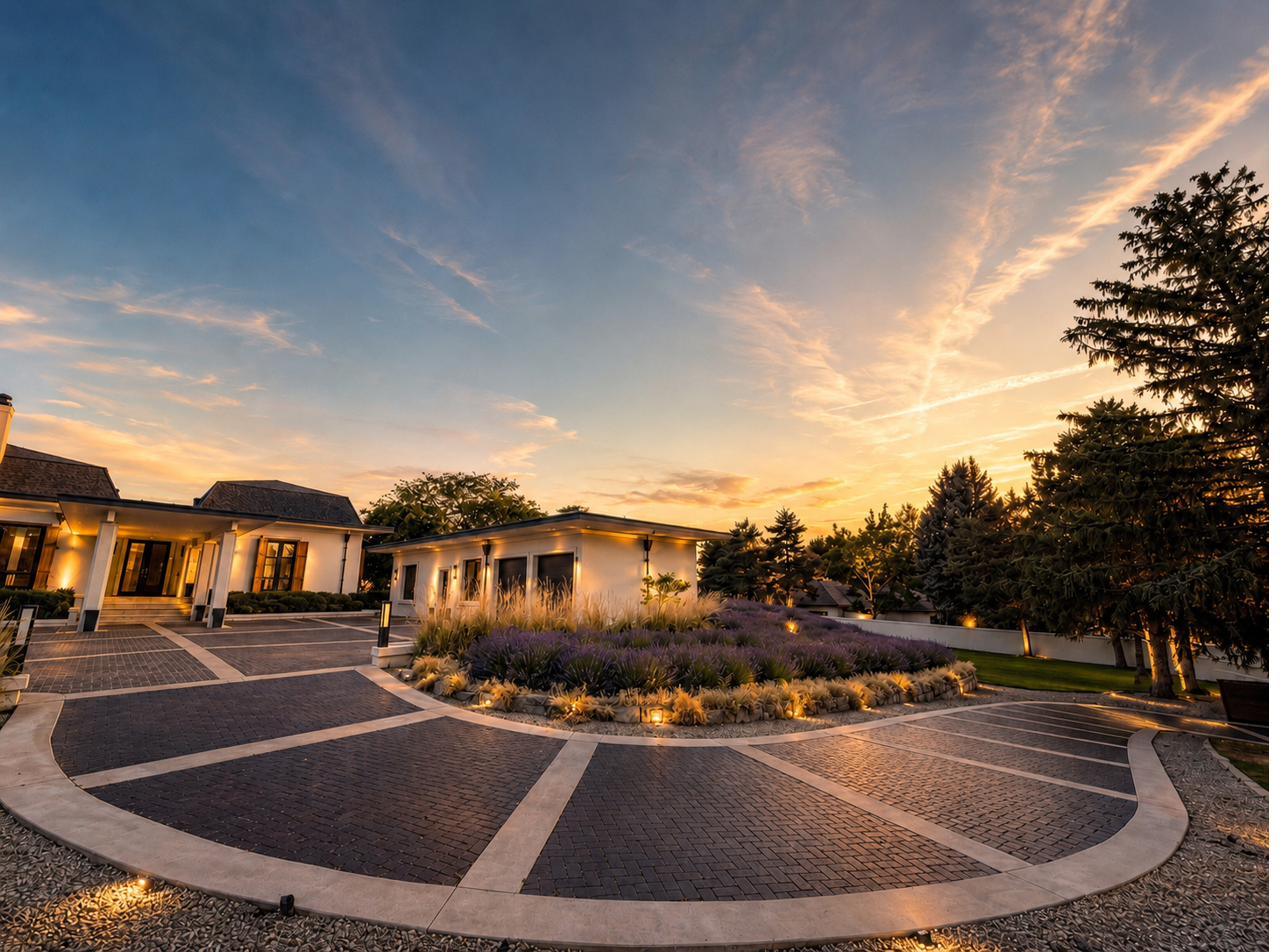
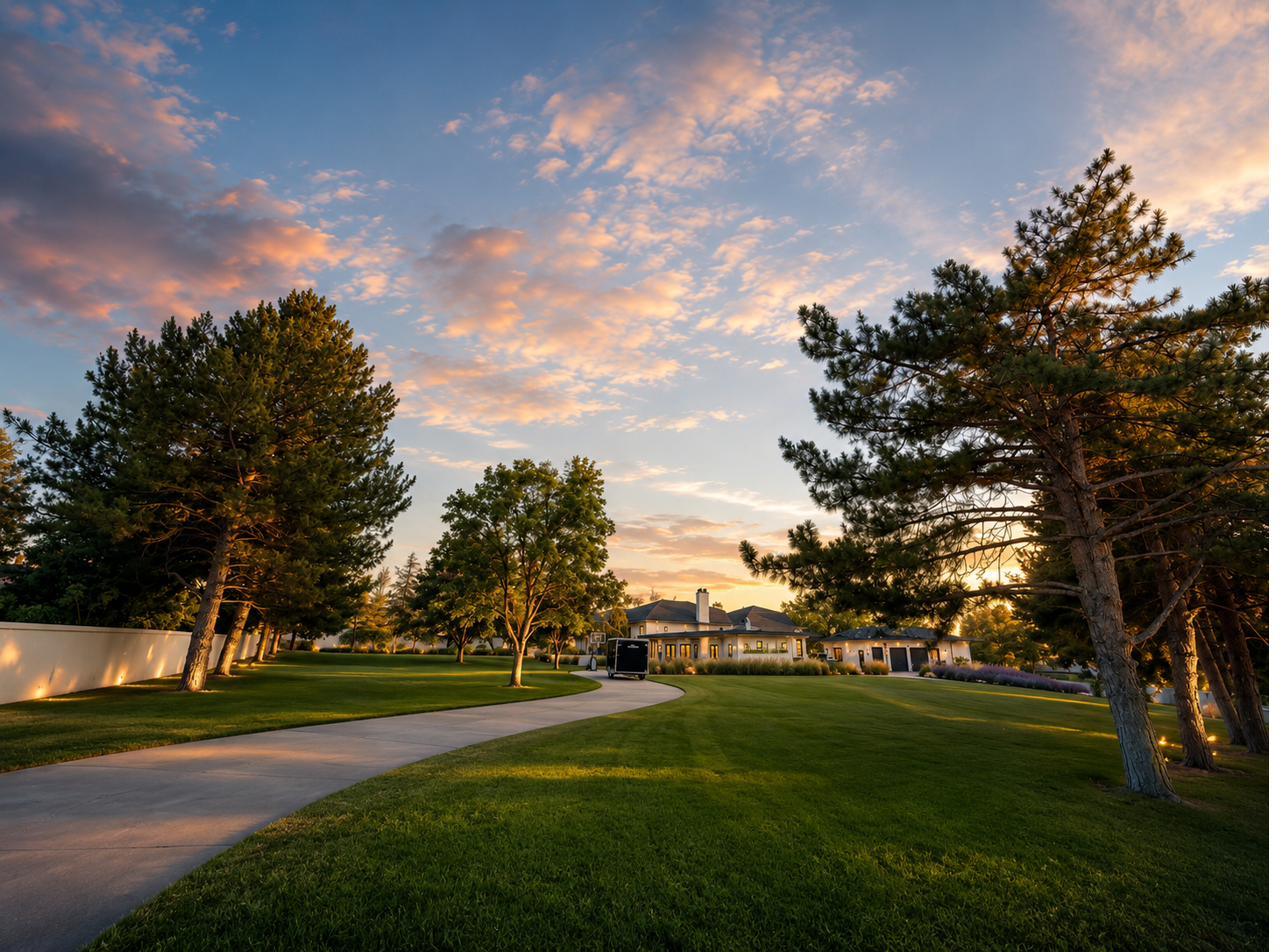
Every phase of this exclusive memory care campus rests on statute, administrative rule, and the current zoning table — not on rezoning hopes.
Convert the existing residence to eight licensed suites. Under Idaho Code §§67-6531–32, residential care for eight or fewer residents is a residential use; licensure follows IDAPA 16.03.22 (RALF).
Additional care homes are added by subdivision plats sized to the operator’s program — two, four, or more lots — within the parcel’s ~17-unit R-1B capacity. Projects of ten or fewer lots with no new streets qualify for a combined preliminary-and-final plat.
IDAPA 16.03.22 (rev. 2024): awake overnight staffing in all RALFs and one staff per detached building (§600); one administrator may cover up to three buildings and fifty beds (§215); homes of 3–16 residents occupy the small-home fire/life-safety tier.
City water and sewer serve the parcel. Assured Water Supply (§11-04-010) applies at five or more dwelling units; a consumptive-use-neutral exemption is a credible path given existing irrigated-landscape demand.
For a senior living operator or investor, this memory care business opportunity converts the sector’s hardest problems — time, capital, and differentiation — into the asset’s strengths.
In a capital-constrained era where investors favor acquiring existing properties, an existing 8,959 SF single-level residence is the fastest path to licensed memory care beds in the Boise market — conversion and licensure, not years of construction.
The gap between Ada County’s ~$8,300 ceiling and what affluent East End families will pay for a true luxury small-home setting is the category. First mover owns it; the walled-estate format cannot be replicated by competitors.
Phase 1 cash flows fund the plat and later homes; each phase is separately underwritable, and the ~17-unit entitlement means the campus never outgrows its land.
Senior housing transaction volume and per-unit pricing are setting records — and beneath the operating business, the residential entitlement stands as independent land value.